Showing posts with label Medicine for Fever. Show all posts

Wednesday, 3 May 2023

Effective Medications for Malaria Treatment


Malaria Treatment

Malaria is a life-threatening disease caused by parasites that are transmitted to people through the bites of infected female mosquitoes. The condition is a significant public health concern in many parts of the world, particularly in sub-Saharan Africa, where it is responsible for many deaths yearly. The World Health Organization (WHO) recommends a range of effective Malaria Treatment depending on the illness's severity, the patient's age, and other factors.
 

Introduction to Malaria:

 
Malaria is caused by the Plasmodium parasite, transmitted to humans through the bite of an infected female Anopheles mosquito. The disease can cause fever, chills, flu-like symptoms, organ failure and death in severe cases. The severity of the disease varies depending on the type of parasite and the patient's immunity.
 

Types of Malaria Treatment:

 
Malaria treatment options depend on the illness's severity, the patient's age, and other factors. The WHO recommends several effective treatments for malaria, including artemisinin-based combination therapies (ACTs), the most widely used treatment for uncomplicated malaria. Other treatments include quinine and related compounds, which are used to treat severe malaria and can be combined with other drugs.
 

Artemisinin-based Combination Therapies (ACTs):

 
ACTs are the most widely used treatment for uncomplicated malaria, and they are highly effective in reducing the severity of the disease and preventing transmission. The drugs kill the parasites in the bloodstream and prevent them from multiplying. The most commonly used ACTs include artemether-lumefantrine, artesunate-mefloquine, and dihydroartemisinin-piperaquine.
 

Quinine and Related Compounds:

 
Quinine and related compounds, including quinidine and artemether, treat severe malaria and can be combined with other drugs. These drugs kill the parasites in the bloodstream and prevent them from multiplying. Quinine is administered intravenously, while other related compounds can be given orally.
 

Other Malaria Treatments:

 
Other malaria treatments include antifolate drugs such as sulfadoxine-pyrimethamine, used to treat uncomplicated malaria in areas where resistance to other drugs is high. Primaquine is also used to prevent malaria relapse caused by the Plasmodium vivax parasite.
 

Prevention and Control of Malaria:

 
Prevention and control of malaria are essential to reducing the burden of the disease. This includes measures such as using insecticide-treated bed nets, indoor residual spraying, and providing antimalarial drugs to pregnant women and children under five. The WHO recommends a range of strategies for preventing and controlling malaria, including using artemisinin-based combination therapies, insecticide-treated bed nets, and indoor residual spraying.
 

Medicine for Fever:

 
Fever is a common symptom of many illnesses and is the body's way of fighting infection. It is usually a sign that the immune system is working to combat an infection or inflammation. There are many different types of Medicine for Fever, and the treatment options depend on the underlying cause of the fever.
 

Introduction to Fever:

 
Fever is a common symptom of many illnesses, characterized by increased body temperature above the normal range. It is usually a sign that the immune system is working to combat an infection or inflammation. There are many different types of fever, including acute, chronic, and intermittent.
 

Types of Fever Medications:

 
Fever medications are used to reduce body temperature and relieve fever symptoms. The type of medication used depends on the underlying cause of the fever, the age
of the patient, and other factors. The most commonly used fever medications include acetaminophen (paracetamol), ibuprofen, aspirin, and naproxen.

Acetaminophen (Paracetamol): 

Acetaminophen is a widely used fever medication that works by blocking the production of prostaglandins, chemicals in the body that cause pain and fever. It is safe and effective for most people, including children and pregnant women. However, it can cause liver damage if taken in large doses or combined with alcohol.

Ibuprofen:

 
Ibuprofen is a nonsteroidal anti-inflammatory drug (NSAID) that reduces inflammation in the body. It is commonly used to reduce fever and relieve pain and inflammation associated with conditions such as arthritis, menstrual cramps, and headaches. It is generally safe and effective for most people, but it can cause side effects such as stomach upset and bleeding in some cases.
 

Aspirin:

 
Aspirin is a type of NSAID that reduces inflammation and blocks prostaglandin production. It is commonly used to reduce fever and relieve pain and inflammation associated with conditions such as arthritis and headaches. However, it is not recommended for children under 16, as it can cause a rare but serious condition called Reye's syndrome.
 

Naproxen:

 
Naproxen is another type of NSAID that reduces inflammation in the body. It is commonly used to reduce fever and relieve pain and inflammation associated with conditions such as arthritis and menstrual cramps. It is generally safe and effective for most people, but it can cause side effects such as stomach upset and bleeding in some cases.
 

Home Remedies for Fever:

 
In addition to medication, several home remedies can help reduce fever and relieve symptoms. These include staying hydrated by drinking fluids, resting, applying a cool compress to the forehead, and taking a cool bath or shower. It is also essential to avoid alcohol and caffeine, as these can worsen dehydration.
 

Herbal Medicine for Fever:

 
Herbal medicine has been used for thousands of years to treat various illnesses, including fever. Many herbal remedies have been found to have antipyretic (fever-reducing) properties, and they can be a natural and effective alternative to conventional fever medications. However, it is essential to use caution when using Herbal Medicine for Fever, as they can interact with other drugs and may not be safe for everyone.
 

Introduction to Herbal Medicine for Fever:

 
Herbal medicine has been used for centuries to treat fever, and many traditional remedies have been found to have antipyretic properties. These remedies can be a natural and effective alternative to conventional fever medications, and they are often used in conjunction with other natural therapies such as acupuncture and aromatherapy.
 

Types of Herbal Medicine for Fever:

 
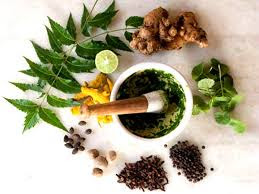
Many different types of herbal remedies can be used to treat fever, including herbs that have antipyretic, anti-inflammatory, and immune-boosting properties. Some of the most commonly used herbs for fever include ginger, turmeric, echinacea, and elderberry.
 

Ginger:

 
Ginger is a root used centuries to treat various ailments, including fever. It has antipyretic properties and can help reduce inflammation in the body. Ginger can be consumed fresh, dried, or in supplement form, and it is generally considered safe for most people.
 

Turmeric:

 
Turmeric is a spice that is commonly used in Indian cuisine and has been found to have a wide range of health benefits, including antipyretic properties.
It contains a compound called curcumin, which has anti-inflammatory and antioxidant properties. Turmeric can be consumed in foods or taken as a supplement. Still, it may interact with certain medications, so talking to a healthcare provider before using it is essential.
 

Echinacea:

 
Echinacea is a herb commonly used to boost the immune system and prevent infections. It has also been found to have antipyretic properties and can help treat fever. Echinacea can be taken in supplement form or consumed as a tea, but it may cause allergic reactions in some people.
 

Elderberry:

 
Elderberry is a berry commonly used in traditional medicine to treat various ailments, including fever. It has antiviral and immune-boosting properties and can help treat respiratory infections that cause fever. Elderberry can be consumed as a syrup, tea, or supplement, but it may interact with certain medications, so it is essential to talk to a healthcare provider before using it.
 

Precautions and Side Effects of Herbal Medicine for Fever:

 
While herbal medicine can be a natural and effective way to treat fever, it is essential to use caution when using these remedies. Herbal remedies can interact with other medications and may be unsafe for everyone, especially pregnant women, children, and people with certain medical conditions. Some herbs may also cause side effects such as stomach upset, allergic reactions, or liver damage if taken in large doses.
 

Conclusion:

 
Fever is a common symptom of many illnesses, including malaria, and it is essential to seek treatment if it persists or becomes severe. Conventional fever medications such as acetaminophen, ibuprofen, aspirin, and naproxen can effectively reduce fever and relieve symptoms. However, herbal remedies such as ginger, turmeric, echinacea, and elderberry can also be a natural and effective alternative for those who prefer natural therapies. It is essential to use caution when using herbal remedies, as they can interact with other medications and may not be safe for everyone. It is always best to consult a healthcare provider before starting any new treatment.


Thursday, 13 April 2023

Breaking the heat: Effective Fever Medicine Options to Combat High Temperatures


Fever is a common symptom of many illnesses and medical conditions, ranging from minor infections to severe diseases. It is a body temperature of 100.4°F (38°C) or higher. While fever is often the body's natural response to fighting off an infection, it can also cause discomfort and other symptoms such as chills, sweating, and muscle aches.


Fever Medicine, known as antipyretics, lowers fever and relieves the associated symptoms. There are several different types of fever medicine available, including:


  • Acetaminophen (Tylenol) is one of the most commonly used fever-reducing medicines. It is available over the counter (OTC) and works by blocking the production of certain chemicals in the body that causes fever and pain.
  • Nonsteroidal anti-inflammatory drugs (NSAIDs): These include medications like ibuprofen (Advil, Motrin) and naproxen (Aleve). They also work by reducing inflammation and blocking the production of fever-causing chemicals.
  • Aspirin: This medication is also an NSAID and works in the same way as ibuprofen and naproxen. However, it should not be used in children or teenagers due to the risk of a rare but serious condition called Reye's syndrome.
  • Combination medications: Some fever medicines contain a combination of different medications, such as acetaminophen and aspirin or acetaminophen and caffeine. These can be helpful for people who have a more severe fever or pain.


It is important to note that fever-reducing medicine should not be used to treat a fever in babies younger than three months old without first consulting a doctor. People with certain medical conditions, such as liver or kidney disease, should also talk to their doctor before taking fever medicine.


Medicine for Fever


Medicine for Fever is a broad term that refers to any medication used to treat a fever. As mentioned above, several different types of fever medicine are available, including acetaminophen, NSAIDs, aspirin, and combination medications.


When choosing a Medicine for Fever, it is essential to consider factors such as the person's age, overall health, and any other medications they may be taking. Some people may also prefer certain types of fever medicine over others based on personal experience or preference.


In addition to medication, there are several other things people can do to help reduce fever and relieve symptoms, such as:


  • Resting: The body needs rest to heal and recover from illness, so it is essential to get plenty of rest when experiencing a fever.
  • Staying hydrated: Drinking fluids can help prevent dehydration and reduce fever symptoms.
  • Applying cool compresses: Placing a cool, damp cloth on the forehead or other body areas can help reduce a fever and discomfort.
  • Taking a lukewarm bath or shower: This can also help reduce fever and provide relief from symptoms.


While fever is often a sign of an underlying illness, it is not always harmful and may sometimes be beneficial. For example, fever can help the body fight infections and other diseases. Therefore, it is not always necessary to treat a fever with medication unless it is causing significant discomfort or other symptoms.


Herbal Medicine for Fever


Herbal Medicine for Fever refers to the use of plants and plant extracts to treat fever and related symptoms. Herbal medicine has been used for centuries in many different cultures worldwide and is often considered a natural alternative to conventional medications.


Some common herbs and plants used in Herbal Medicine for Fever include:


  • Echinacea: This plant is often used to boost the immune system and help fight off infections that may be causing the fever.
  • Ginger: This root has anti-inflammatory properties and can help reduce fever and associated symptoms.
  • Turmeric: This spice has anti-inflammatory properties and can help reduce fever and relieve pain.
  • Willow bark: This herb contains salicylic acid, similar to aspirin, and can help reduce fever and pain.
  • Elderberry: This fruit is high antioxidants and may help reduce fever and improve immune function.


It is important to note that while herbal medicine can effectively treat fever and other illnesses, it is not always safe or appropriate for everyone. Some herbal remedies may interact with other medications or have side effects. Additionally, the quality and purity of herbal supplements can vary widely, so purchasing them from a reputable source is essential.


Before using any herbal medicine for fever or other health conditions, it is essential to talk to a healthcare provider to ensure that it is safe and appropriate for your individual needs.


Bukhar Ki Medicine


"Bukhar Ki Medicine" is a phrase in Urdu that translates to "Medicine for Fever" in English. This heading is similar to the second heading above but refers explicitly to using fever medicine in Urdu.

As mentioned earlier, several different types of fever medicine are available, including acetaminophen, NSAIDs, aspirin, and combination medications. These medications are available in many other forms, including tablets, capsules, liquids, and suppositories.


When using Bukhar Ki Medicine or any other fever medicine, following the recommended dosage and instructions is essential. Too much fever medicine taken too often can lead to side effects and other complications.


Additionally, it is essential to note that fever-reducing medicine should not be used as a substitute for medical care. Suppose a fever persists over a few days or is accompanied by other symptoms such as a severe headache, difficulty breathing, or rash. In that case, it is essential to seek medical attention immediately.


In summary, the terms fever medicine, medicine for fever, herbal cure for fever, and Bukhara ki medicine are all used to describe medications and remedies for treating fever and its associated symptoms. While these treatments can be effective in many cases, it is essential to use them safely and appropriately and to seek medical attention if the fever persists or is accompanied by other concerning symptoms.

Friday, 24 March 2023

Malaria Fever Treatment


Malaria is a dangerous disease that can kill you. It is caused by a parasite that is spread by mosquito bites. The symptoms of malaria can include fever, chills, headache, muscle pain, and fatigue. While malaria can be a serious and life-threatening condition, it is treatable. In this article, we will explore some of the best Malaria Fever Treatment medicines, as well as some herbal remedies that can be effective in treating the symptoms of malaria.


Malaria Symptoms


The severity of malaria symptoms depends on the type of malaria parasite that has infected the person and their age, health, and other things. The most common symptoms of malaria include the following:

  1. Fever: Malaria typically causes a high fever lasting several hours to several days.
  2. Chills: Malaria can cause severe chills that may last for several hours.
  3. Headache: Malaria can cause a severe headache accompanied by nausea and vomiting.
  4. Muscle Pain: Malaria can cause severe muscle pain that can be particularly severe in the back and limbs.
  5. Fatigue: Malaria can cause severe fatigue, making it difficult to perform daily activities.


Malaria Treatment


Medications that kill the parasites that cause malaria can be used to treat the disease. The most common medications used to treat malaria include:

  1. Chloroquine: Chloroquine is a medication that is commonly used to treat malaria. It works by killing the parasites that cause the disease. However, some strains of malaria have become resistant to chloroquine, so it may not be effective in all cases.
  2. Artemisinin: Artemisinin is a medication derived from the sweet wormwood plant. It is used to treat severe malaria cases and is particularly effective against strains of malaria that have become resistant to other medications.
  3. Quinine: Quinine is a medication derived from the cinchona tree's bark. It is used to treat severe malaria cases and can be effective against strains of malaria that have become resistant to other medications.
  4. Atovaquone-Proguanil: Atovaquone-proguanil is a combination medication that is used to treat malaria. It works by preventing the parasites from replicating in the body.


Herbal Remedies for Malaria Treatment


In addition to traditional medical treatments, several herbal remedies can effectively treat Malaria Symptoms. Herbal remedies have been used to treat various illnesses for hundreds of years. They can be a safe and effective alternative to traditional medicines.

  1. Ginger: Ginger is an herb commonly used to treat various health conditions, including malaria. It has natural anti-inflammatory and pain-relieving properties that can help reduce the fever and muscle pain associated with malaria. Ginger can be taken as tea or added to foods and drinks.
  2. Turmeric: Turmeric is an herb commonly used in Indian cuisine and has been shown to have natural anti-inflammatory and pain-relieving properties. It can effectively reduce the fever and muscle pain associated with malaria. Turmeric can be taken as a supplement or added to foods and drinks.
  3. Neem: Neem is an herb commonly used in Ayurvedic medicine to treat various health conditions, including malaria. It has natural antiviral and anti-inflammatory properties that can help reduce the severity of malaria symptoms. Neem can be taken as a supplement or used topically as a lotion or oil.
  4. Papaya Leaf: Papaya leaf is an herb commonly used in traditional medicine to treat various health conditions, including malaria. It has natural anti-inflammatory and pain-relieving properties that can help reduce the severity.


The Best Treatments for Chronic Constipation

Chronic constipation is a common health condition that affects people of all ages. It is characterized by infrequent bowel movements, diffic...